

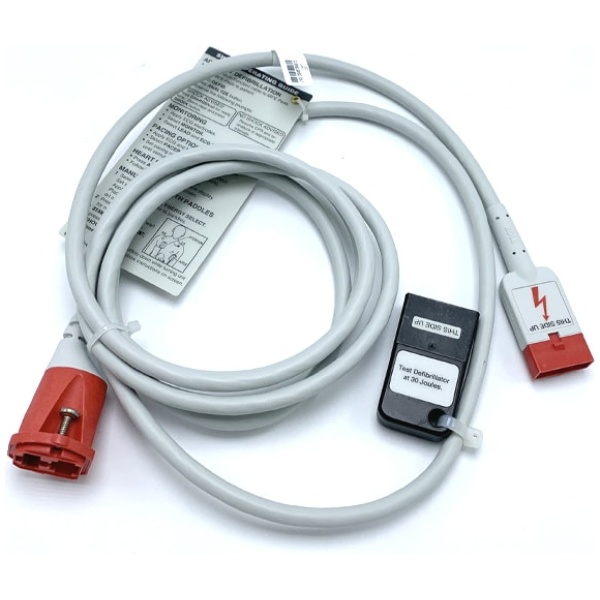
Multifunction Therapy Cable
Allows use of Disposable Multifunction Electrodes and ZOLL External and Internal Paddles.
Based on 0 reviews
Be the first to review “MFC Cable”
Related products
-
Defibrillator, Zoll
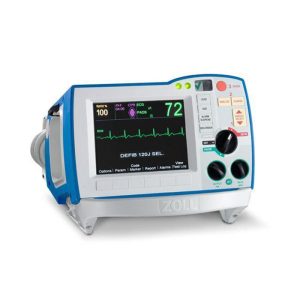
Zoll R Series
Zoll R Series Features:-
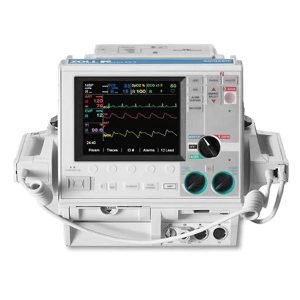
The Zoll R Series is an ALS defibrillator, BLS defibrillator, and monitor that can provide CPR, defibrillation, and pacing therapies. The Zoll R is not just known as being a defibrillator it offers 3-lead ECG, pacing, end-tide Co2 ( OPTIONAL ), Non-invasive Blood Pressure (NIBP) (OPTIONAL), and SpO2 Monitoring (OPTIONAL). With wireless connectivity, the R Series defibrillator can give health providers a quick overall snapshot of the patient’s health via a PC or mobile device. With a color display screen, you can view the CPR dashboard which can show depth, rate, and visual indicators of compression releases. Request a quotation for a price or a certain configuration/package.
- Always Code-Ready.
- Customizable dashboard.
- Remote viewing and administration from a PC or mobile device.
- History of readiness logs for the Joint Commission.
- Readiness check includes defib, pacing, and ECG modules; AC power; battery; 30-joule shock test; electrodes attached and not expired.
SKU: n/a -
AED, Zoll
Zoll AED 3
Certified Refurbished Medical Equipment!
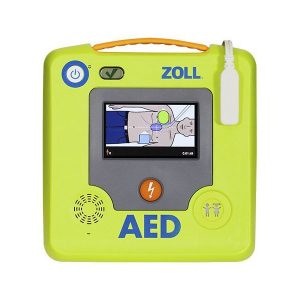
The Zoll AED 3is the newest Semi-automatic AED from manufacturer Zoll. The AED has a simple operation with CPR Uni-Padz CPR feedback and the instructions on the color display. This AED has a unique signaling system called PlusTrac. Via a WiFi connection, data is transferred to a cloud. If the AED has a malfunction or is defective, this state-of-the-art system informs you about this. Because of this unique function, you are always aware of the status of your AED and you can take immediate action should there be problems, so you are always assured of a properly functioning AED. Another advantage of this Zoll is that no separate children’s electrodes are needed! You can switch from adult mode to child mode at the touch of a button. The Zoll AED 3 is even more robust than the other ZED AEDs and is spray-proof.
SKU: n/a -
Defibrillator, Zoll
Zoll M Series CCT
Zoll M Series CCT Features
The M Series CCT is designed with several user-selectable features that allow operators to configure the device according to their protocols and local requirements. This manual describes the configuration options and how to change them. This manual also lists the configurable features, options and default settings. Some features are available to manual mode operators only.SKU: n/a
There are no reviews yet.